Printable behavior charts can be wonderful tools to help encourage positive behaviors in kids. They can be used to track chores, daily routines, and encourage positive changes to your children’s behaviors.
How are behavior charts used? They are a tool that visually gives the child feedback when they act and behave in a positive way. It’s not about pointing out NEGATIVE behaviors, but rewarding positive ones.
** This website contains affiliate links. If you make a purchase using one of these links, I may earn a commission. Please click here for more information about cookies collected and our privacy policy **.
Children love to be praised and encouraged, and these printable behavior charts gives you an easy way to reward good behavior and for them to motivated to continue.
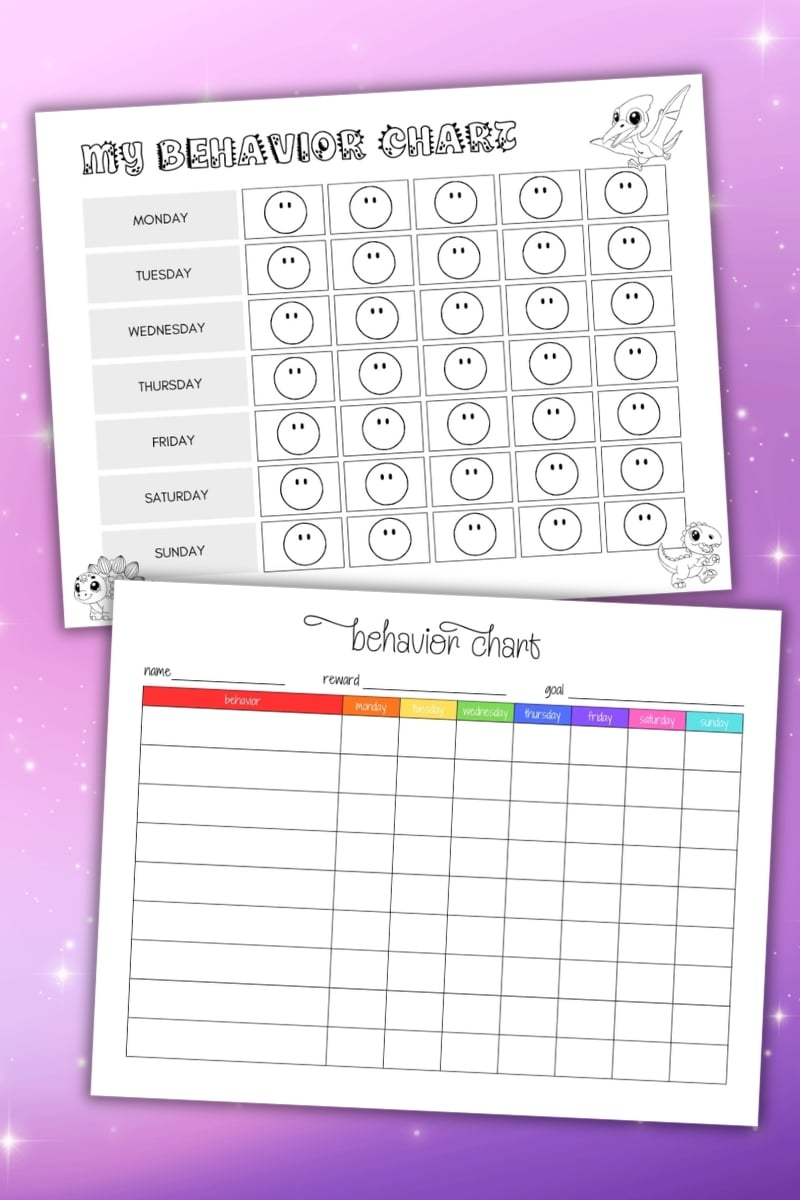
Download the Printable Behavior Charts Now
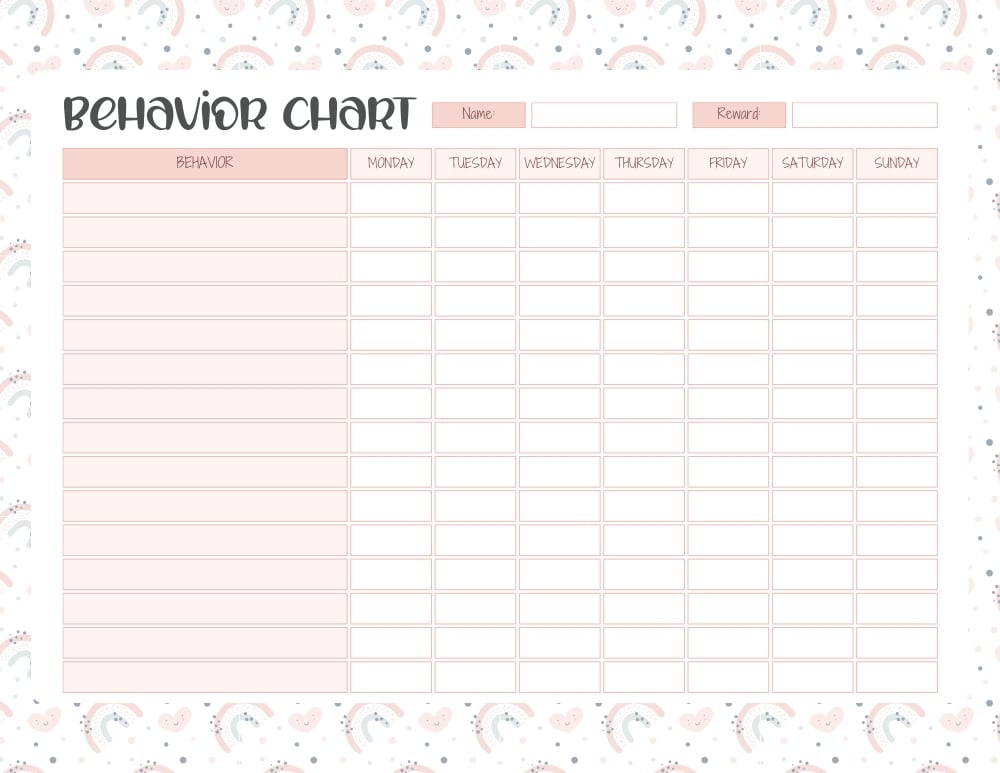
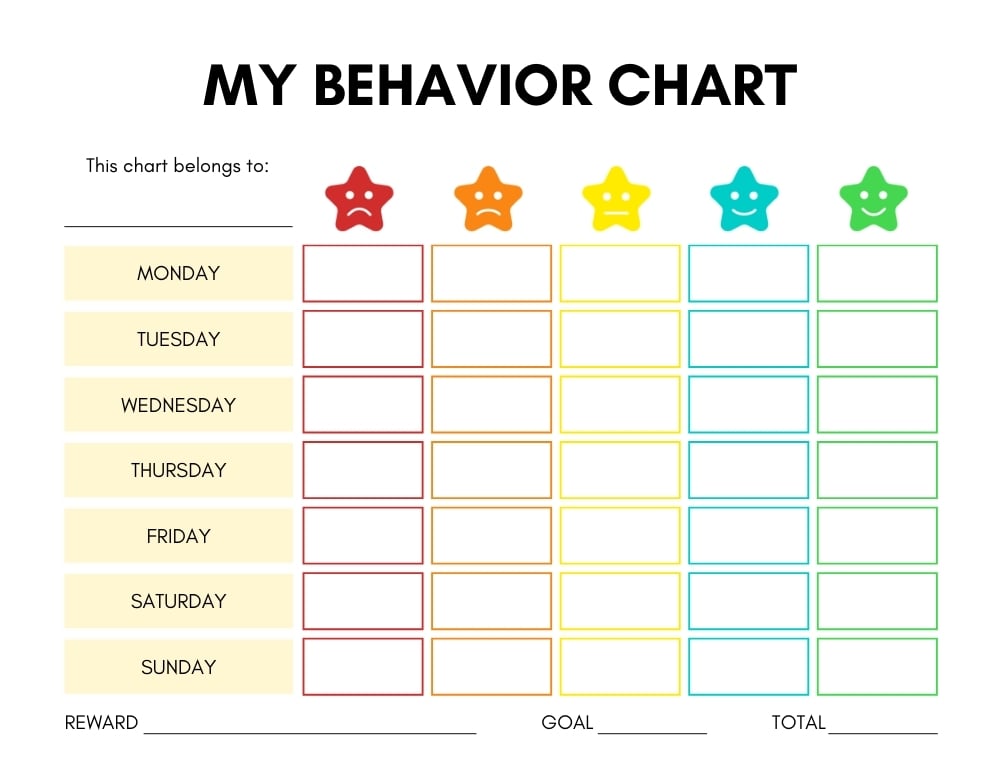
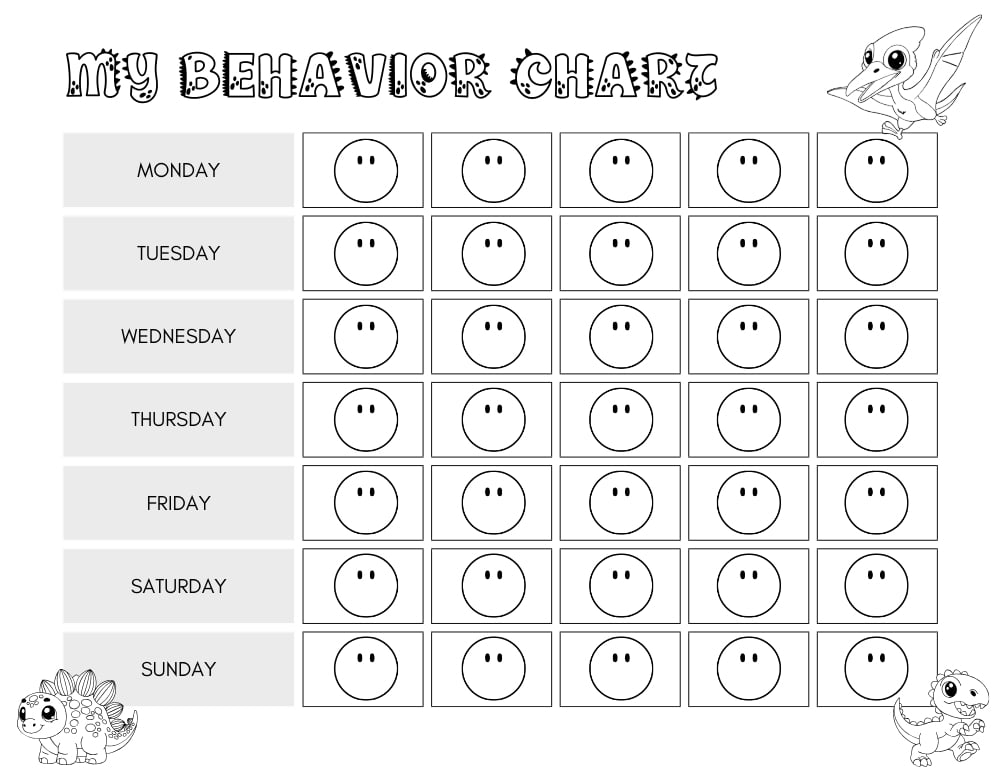
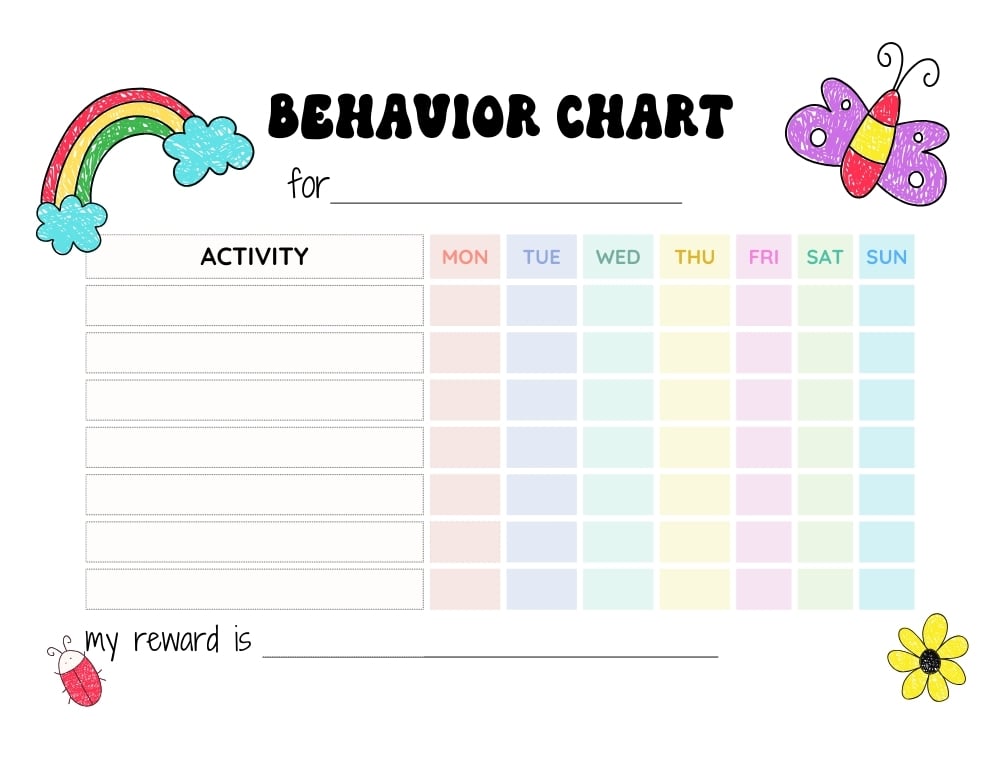
There are a few different behavior charts to choose from.
Some are geared towards younger kids, while some are more suitable for older ones.
To download, simply click on the image of the chart you want.
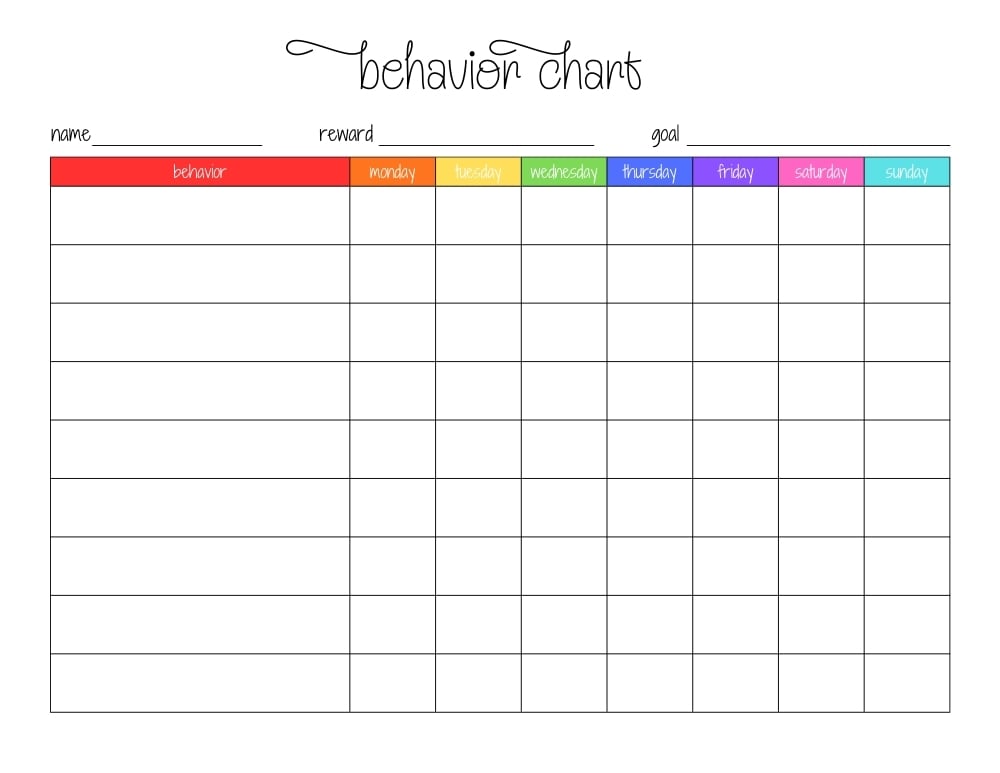
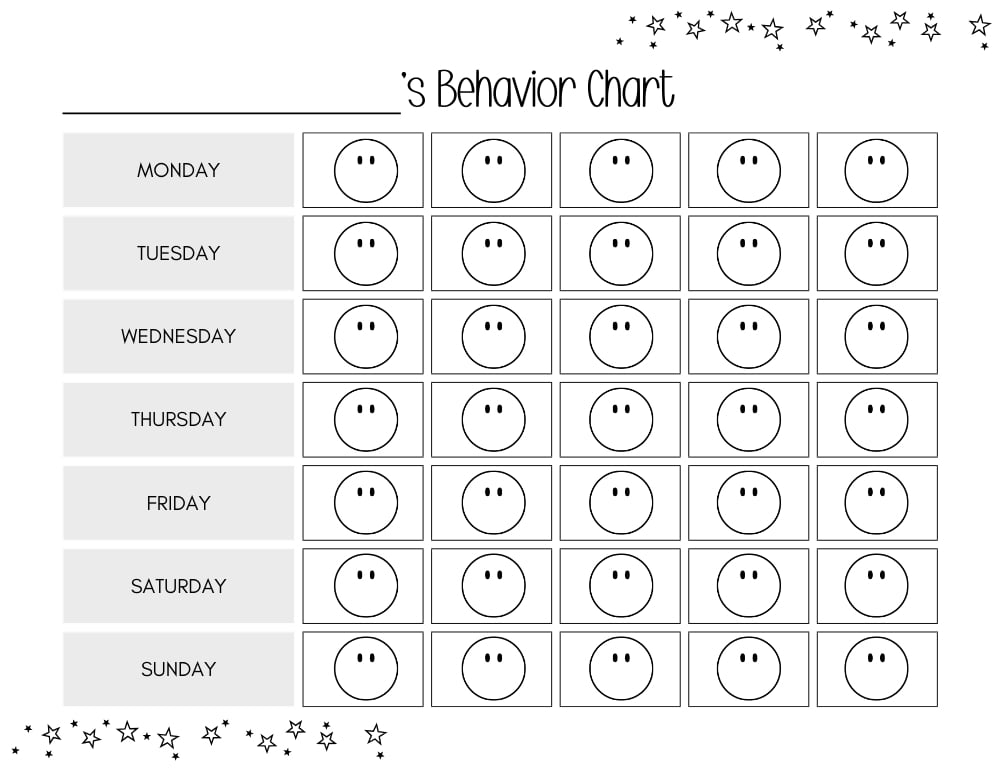

How to Use These Behavior & Reward Charts
These charts work best when they feel like a tool, not a punishment. Here’s how to get the most out of them — and a few common mistakes to avoid. ABove all, remember that all kids are different. Some kids will not respond well to behavior charts, while others will thrive.
Best Ages & How to Adapt
- Toddlers (2–4): Keep it simple — choose one behavior to focus on at a time (like “used kind words” or “got dressed”). Use stickers as the reward marker and keep the chart visible at their eye level. Celebrate every single win out loud.
- Early Elementary (5–8): Kids this age thrive with a small goal to work toward. Let them choose their reward and help you hang the chart — ownership makes a big difference. Aim for short reward cycles (5–7 stickers, then a prize).
- Upper Elementary (9–12): Older kids do better when they have input on the goals AND the rewards. Consider a point system instead of stickers, and tie rewards to privileges rather than toys.
For Teachers: These charts translate easily to the classroom. Use them for individual behavior plans, small group incentives, or whole-class goals. Laminate them to reuse week after week. These charts should never be used to shame or single out a child in front of their peers. Sometimes the best way to use a chart in the classroom, is to use it between the teacher and parents only as a way of communicating what might need to be worked on or addressed at home. This way the child does not internalize that they are “bad” but behavior changes can still be addressed.
For Best Results
- Introduce the chart during a calm, positive moment — not in the middle of a meltdown.
- Review it together at the same time each day (morning or bedtime works well at home; end-of-day works in the classroom).
- Keep rewards small and frequent at first, then gradually space them out as the behavior becomes a habit.
- Praise the effort and the behavior, not just the filled chart.
How NOT to Use These Charts
- Don’t use them as punishment. Removing stickers or marks for bad behavior backfires — it shifts focus from growth to loss.
- Don’t set too many goals at once. One or two behaviors at a time is plenty, especially for younger kids.
- Don’t forget to follow through. If a child earns their reward, deliver it promptly. Inconsistency kills motivation fast.
- Don’t keep using a chart that isn’t working. If there’s no engagement after 1–2 weeks, switch up the reward, simplify the goal, or try a different chart style.